Pet-Friendly Deck Options: Build a Secure Outdoor Space for Your Pets
Developing a pet-safe deck requires thoughtful preparation and attention. The right components, protective features, and inviting areas can convert an typical deck into a safe refuge for animals. It is vital to account for durability and comfort while ensuring that the environment is safe for exploration. Knowing the top choices on the market can guide pet owners toward smarter selections. How can particular techniques maximize both protection and pleasure for pets in these exterior spaces?
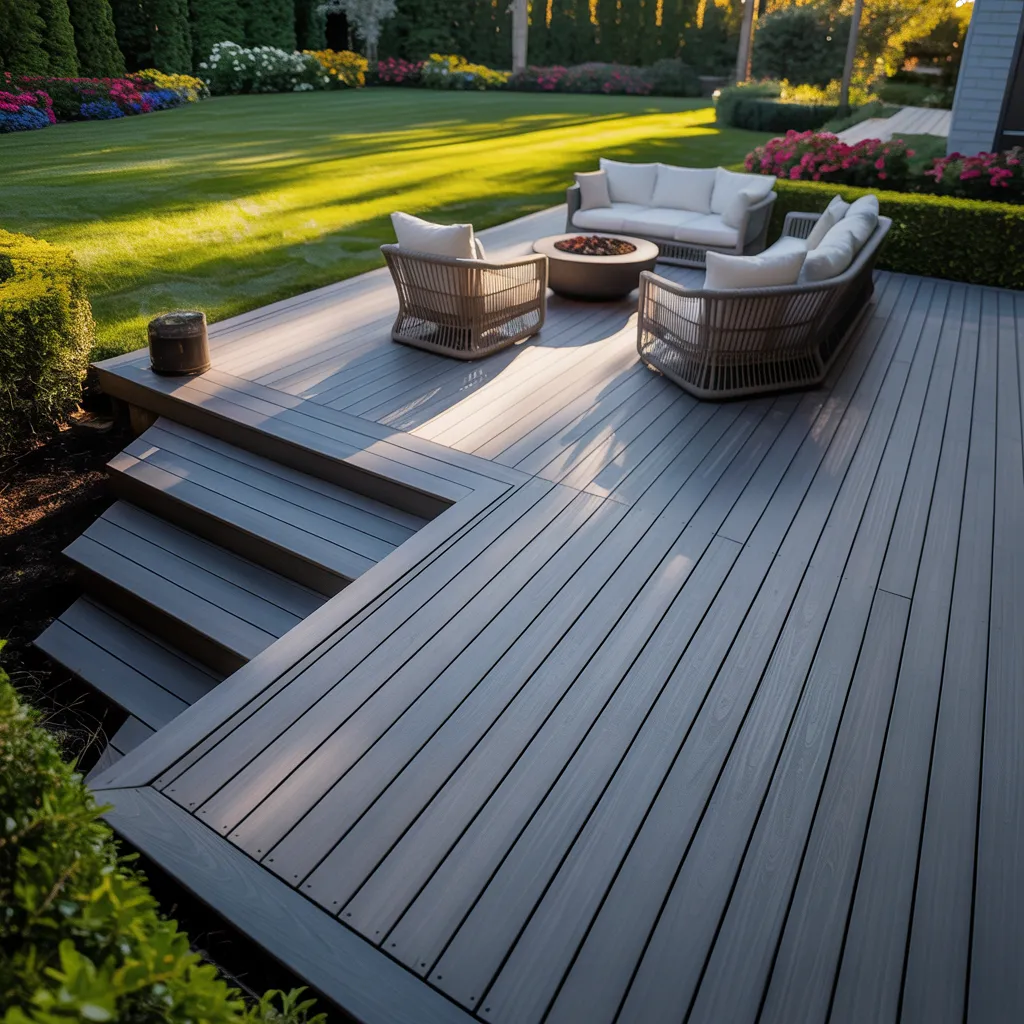
How to Design a Safe and Pet-Friendly Deck
Building a pet-friendly and comfortable deck calls for thorough planning of multiple important aspects. To begin with, the design should offer sufficient room for pets to roam comfortably and enjoy themselves. Adding shaded zones shields pets from excessive heat, while sturdy railings guard against unexpected tumbles.
Moreover, attention to potential hazards is critical. Protruding nails and sharp edges need to be dealt with, and any harmful plants need to be taken away from the space. Anti-slip flooring can minimize the risk of slips and falls, especially when moisture is present.
Supplying comfortable bedding or animal-friendly seating can upgrade the space, rendering it more appealing to animals. Routine upkeep is necessary, guaranteeing that debris and chemical substances are cleared from the vicinity.
Finding the Right Pet-Friendly Decking Materials
When selecting materials for a pet-friendly deck, quality and security are critical. Opting for composite decking proves to be a superior solution, as it is resistant to scratches and stains, making it perfect for energetic pets. Additionally, composite materials are free of splinters, lowering the likelihood of harm to paws.
Organic wood material, such as cedar and redwood, provides a warm visual appeal but needs routine upkeep to guard against splinters and decay. Choosing pressure-treated wood can improve durability, but it's essential to guarantee the material is safe and non-toxic.
Vinyl decking is another viable choice, providing a smooth surface that is easy to clean and resistant to fading.
Additionally, choosing rough-finish surfaces can boost stability, keeping pets from slipping. All things considered, the best materials will create a comfortable and secure outdoor space for pets while ensuring long-lasting quality and straightforward maintenance for the property owners.
Important Safety Features for Your Deck
Picking the correct elements for a pet-safe deck lays the groundwork for safety, but other aspects are equally important. The inclusion of anti-slip surfaces is crucial to stop pets from losing their footing, especially in rainy weather. Curved edges can greatly reduce the likelihood of accidents; sharp corners pose a hazard to inquisitive pets. Sufficient drainage should also be considered, as standing water can lead to slips and potential health issues.
Furthermore, well-placed shaded areas serve to shield pets from heat exhaustion during hot weather. In addition, adding durable railings with closely spaced balusters ensures that pets are unable to escape or fall from the deck. Incorporating pet-safe plants around the deck boundary further improves safety by preventing accidental ingestion of harmful plants. Finally, a properly maintained deck with consistent inspections for any unsecured boards or nails guarantees a safe environment. Together, these key features form a secure outdoor retreat for pets.
Ideal Fencing Solutions for Pet Protection
Making certain pets are kept contained within a yard requires careful consideration of fencing options. A solid wood fence, typically around six feet high, offers a strong boundary against energetic dogs and leaping cats. Vinyl fences are also appealing due to their long-lasting nature and minimal upkeep, while still offering a comparable height for containment. For those desiring greater visibility, chain-link fences with a privacy slat can allow open views while maintaining pet boundaries.
Furthermore, using a wrought iron fence can add aesthetic appeal, though it's vital to confirm that the gaps remain too small for smaller animals to squeeze through. Electric fences may act as an additional layer of protection, but they require proper training to guarantee pets understand their boundaries. Finally, confirming that gates are properly secured and self-closing plays a vital role in upholding the effectiveness of a pet-proof outdoor space. Each option presents unique benefits tailored to different pet needs and owner preferences.
How to Build Cozy Spots for Your Pets on the Deck
Designing an inviting area for pets on a deck improves their well-being and happiness while outdoors. To make this possible, one can incorporate soft, weather-resistant pet beds or cushions, offering a comfortable place for pets to rest. Thoughtfully arranged shade structures, like canopies or umbrellas, provide protection from direct sunlight, guaranteeing pets stay cool during sunny afternoons.
Adding a few blankets can greatly improve the comfort, while non-toxic plants can bring a natural element without creating health hazards. Raised platforms or ramps can assist older pets, making the space more accessible.
Utilizing materials that are safe for pets, such as composite decking, confirms the surface remains comfortable for paws. Finally, keeping fresh water available in a sturdy bowl promotes proper hydration, turning the deck into a wonderful outdoor haven. Through these careful enhancements, the deck becomes a safe and inviting haven for animals, fostering comfort and happiness.
Designing Pet Play Spaces on Your Deck
Expanding upon the comfortable setting established for pets, play areas on the deck can greatly enhance their time outside. Designating a specific area for play enables pets to participate in energetic exercises while appreciating the natural breeze. Look into including durable, pet-friendly materials like artificial turf or rubberized surfaces to provide both protection and simple upkeep.
Introducing enrichment items, such as chew toys or engaging activities, can promote both cognitive and physical stimulation. A modest agility course, composed of tunnels and hurdles, can provide endless enjoyment for energetic pets.
Additionally, sheltered areas can be established by incorporating outdoor umbrellas or pergolas to shield pets from the sun while they spend time outdoors.
Which Plants Are Safe to Have Around Your Pets?
Picking the right plants can enhance a pet-safe deck while providing safety. It is important to consider non-toxic indoor plants and secure garden landscaping alternatives that will not hurt pets. Understanding which plants are harmless helps create a peaceful environment for both pets and their owners.
Pet-Friendly Indoor Plants
What houseplants can beautify a home without posing risks to pets? Selecting non-toxic varieties is essential for pet owners. Spider plants, known for their air-purifying qualities, are safe for cats and dogs. The Boston fern adds a lush, green aesthetic and poses no threat to curious pets. Additionally, the parlor palm offers a tropical vibe without toxicity concerns. For those desiring colorful varieties, the friendship plant is visually pleasing and harmless to animals. Moreover, the bamboo palm serves as an outstanding selection that grows well in dim lighting while posing no risk to animals. By incorporating these non-toxic plants, pet owners can create a vibrant indoor environment that prioritizes the well-being of their furry companions.
Reliable Outdoor Landscaping Alternatives
Designing a safe exterior area for pets involves thoughtful consideration of landscaping plants. Several typical garden species can create hazards to companion animals, making it essential to opt for non-harmful plants. To illustrate, sunflowers, marigolds, and snapdragons are bright selections that are safe for pets. Lavender not only adds fragrance but also functions as a soothing element. Furthermore, herbs like basil and rosemary can improve the garden setting while being safe for animals. It is essential to steer clear of harmful plants such as azaleas, lilies, and oleander, which can result in severe medical concerns. By focusing on pet-safe plants, pet owners can develop an appealing outdoor area where their animal companions can explore and enjoy the outdoors without harm.
Preservation Tips for a Resilient Pet-Friendly Deck
A properly cared-for pet-friendly deck can significantly improve outdoor living areas while providing safety and comfort for four-legged family members. Regular cleaning is essential; debris, pet hair, and spills should be promptly removed to prevent staining and odors. Utilizing a pressure washer can effectively eliminate dirt and grime but should be used cautiously to avoid damaging the surface.
Inspecting for loose boards or protruding nails is critical to guarantee pets are kept secure while outdoors. Using a non-toxic coating can safeguard wooden areas from water damage and wear , extending the deck's lifespan. It is also recommended to select materials that withstand scratches and fading , such as composite decking.
Finally, maintaining a consistent timetable for upkeep assessments facilitates timely identification of possible problems, guaranteeing a durable and safe setting for animals. By following these tips, deck owners can establish an inviting area that withstands the test of time and energetic animal companions.
Frequently Asked Questions
Can I Use Outdoor Rugs for Pet Comfort on the Deck?
Outdoor rugs can significantly boost pet comfort on a deck. They provide cushioning and warmth while preventing slipping. Choosing durable, easy-to-clean materials guarantees longevity and maintenance, making them a practical choice for pet owners seeking comfort.
How Can I Prevent My Pet From Chewing on Deck Railing?
To stop pets from gnawing on deck railings, owners can apply bitter-tasting sprays, offer suitable chew toys as substitutes, and supervise outdoor time. Regular training can also discourage this behavior, promoting a safer environment for pets.
What Are the Ideal Approaches to Removing Pet Messes from the Deck?
To clean pet messes on a deck, you should quickly remove solid waste, wash the area thoroughly with discover the facts water, use a pet-safe cleaner, remove tough stains by scrubbing, and guarantee thorough drying to avoid the buildup of odors and bacteria.
Are There Pet-Safe Chemicals for Deck Cleaning and Maintenance?
Indeed, there are pet-friendly chemicals designed for deck cleaning and care. Vinegar-based solutions, biodegradable cleaners, and baking soda serve as effective alternatives that minimize harm to pets while ensuring a clean and safe outdoor environment.
How Do I Acclimate My Pet to the New Deck Environment?
To introduce a pet to a new deck, slowly expose them to the space. Begin with short visits, using positive reinforcement and well-known objects, while ensuring supervision to ease their adjustment and foster familiarity.